Plug in solar for California renters
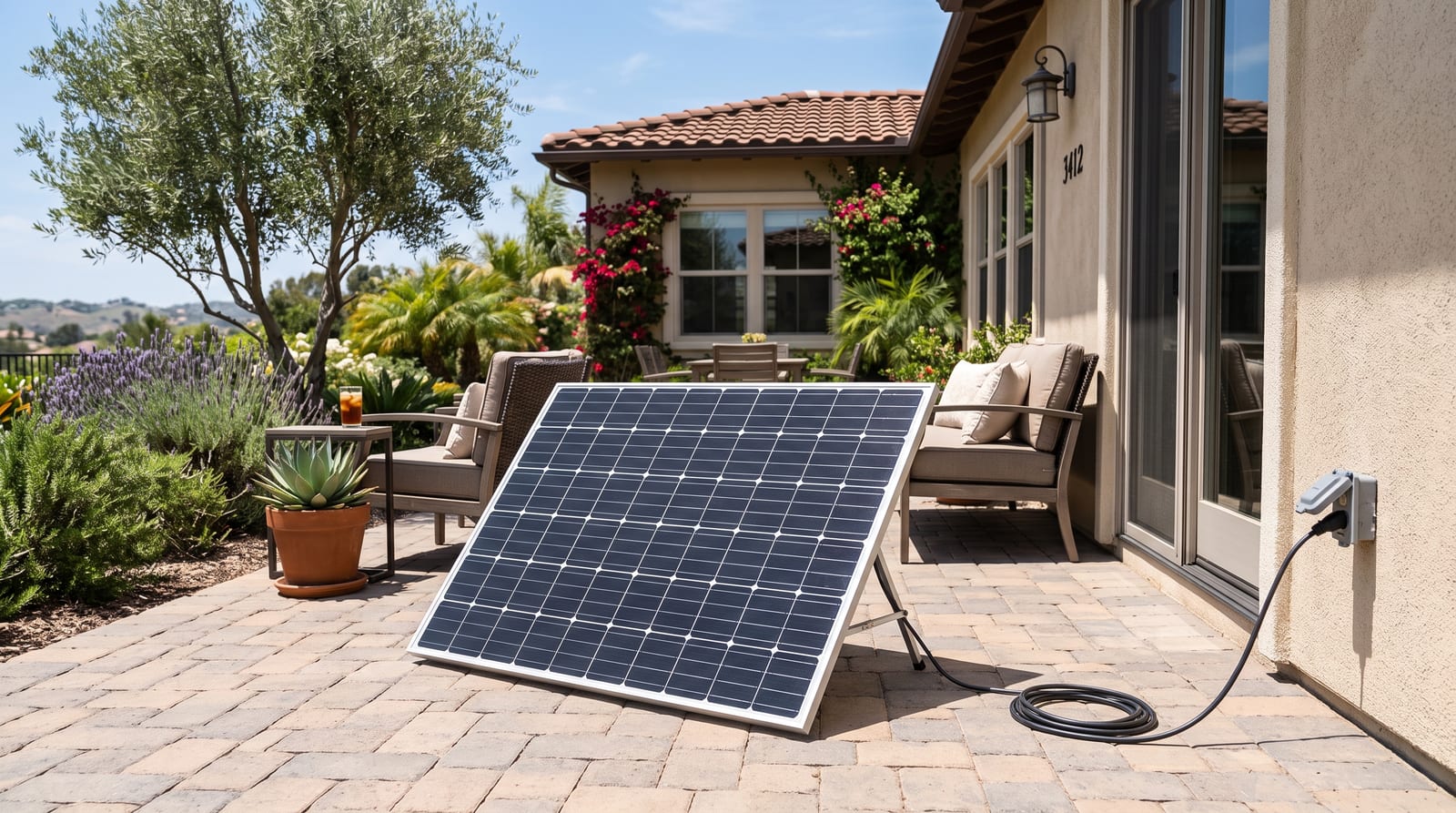
A panel about the size of a door plugs into an ordinary outlet and quietly cuts your electricity bill. No roof, no installer, no contract — and it comes with you when you move.
Not yet law. Passed the Legislature, waiting on the Governor.
Al September 1, 2026 · Follow the bill →
We'll email you the day he decides.
One email, the same day, saying what happened and what it means for you. Then nothing until the next real change.
Roughly twice a month at most. Unsubscribe whenever. We don't sell the list.
How it Works
1
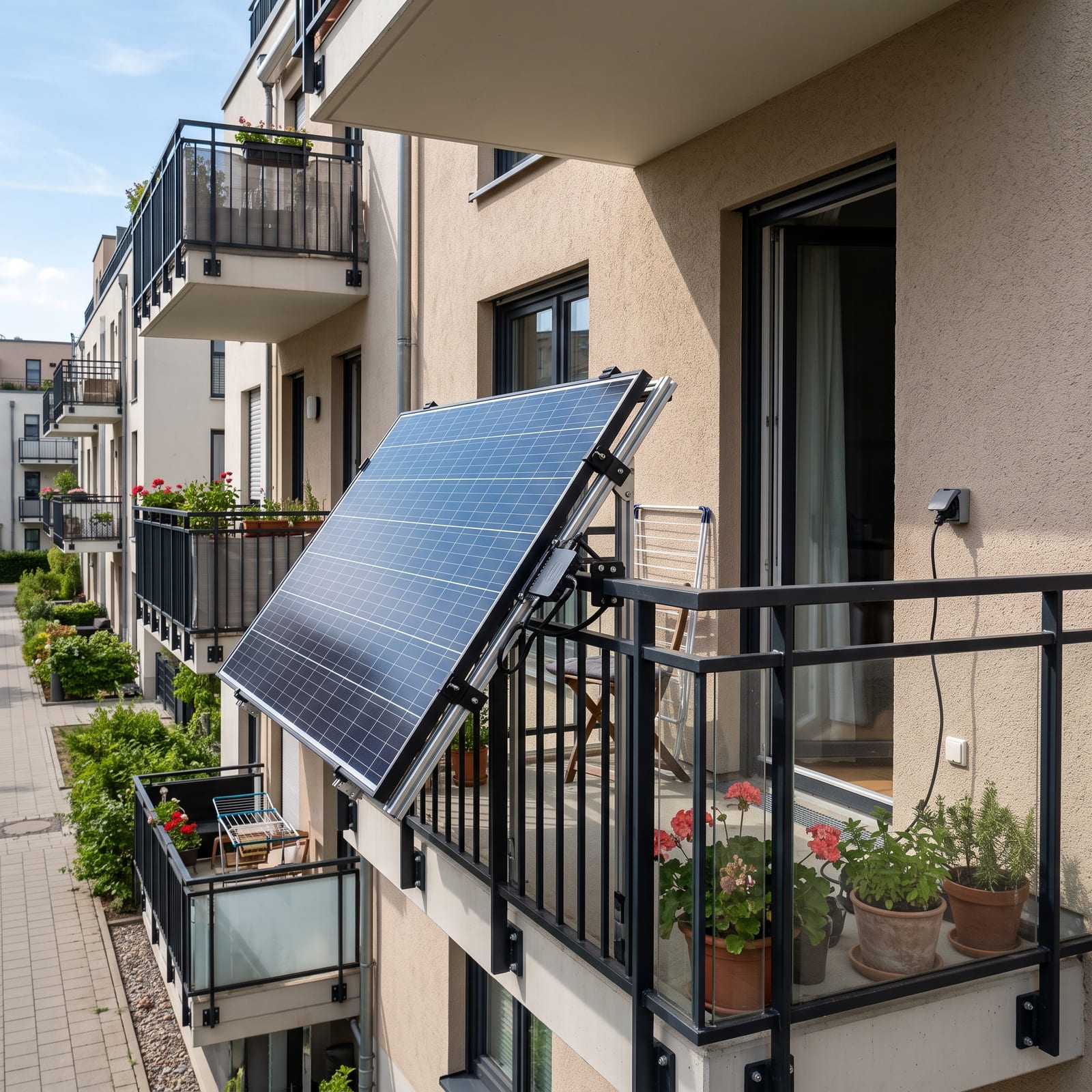
It goes outside
On a balcony railing, a patio, or against a sunny wall. About the size of a door, and about as heavy as a bicycle.
2
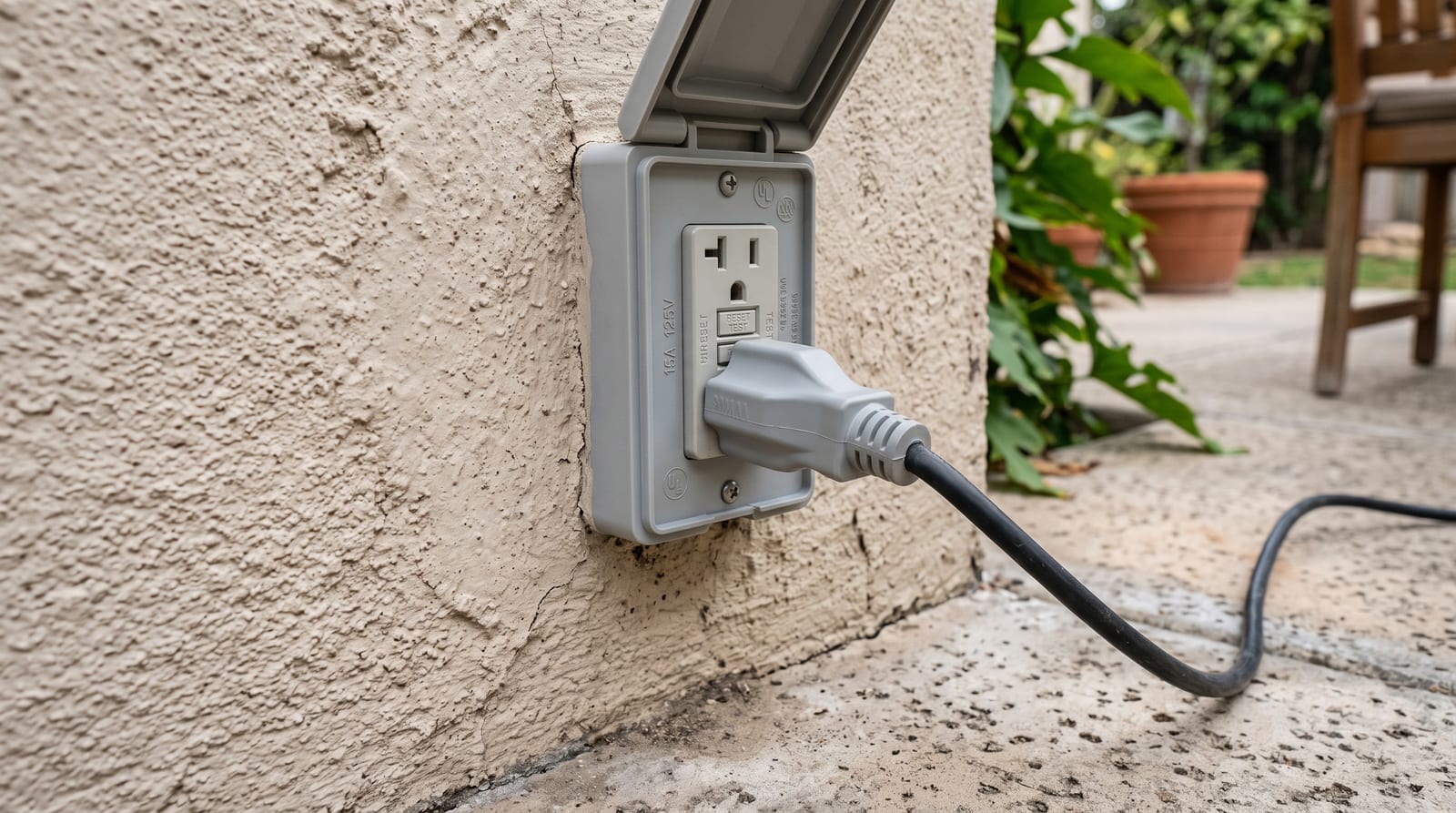
It plugs into an outlet
A normal outdoor socket, the same as a lamp. No electrician, no rewiring, no holes in the wall.
3
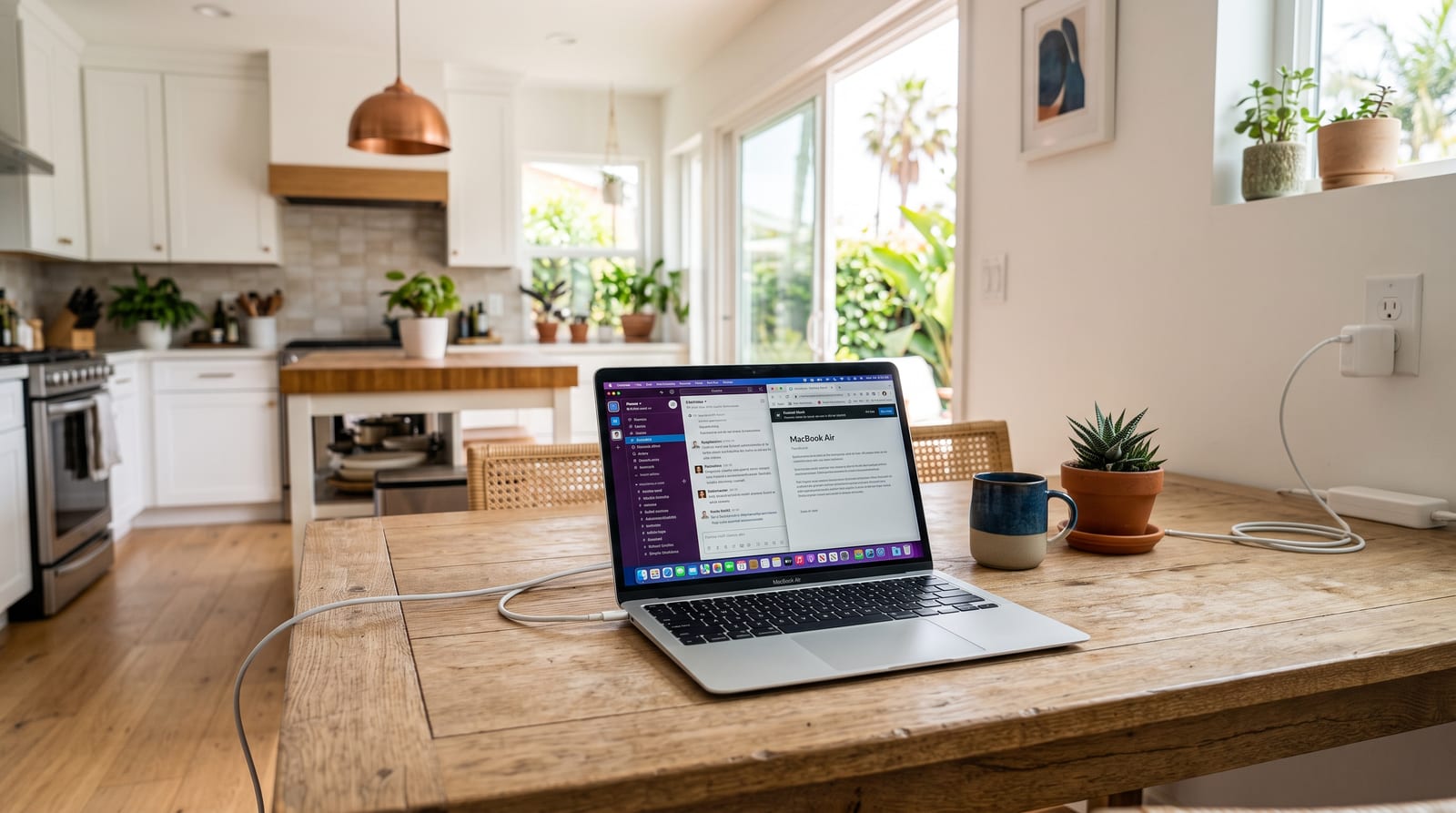
Your home uses it first
Whatever is switched on takes the panel's power before it takes any from the power company. Your meter just runs slower.
Cheaper than traditional solar, by the thousands
A roof is a $25,000 decision. This is a few hundred dollars and an afternoon.
| Rooftop solar | Plug In Solar Kit | |
|---|---|---|
| Upfront Cost | $25,000 | <$1,000 |
| Covers | Most of your electricity | About a sixth of it |
| Who installs it | A contractor, under permit, over several days | You, in an afternoon |
| Commitment | Often a 20 to 25 year agreement | Nothing. You buy it like an appliance |
| If you move | It stays with the house | It comes off the railing in a few minutes |
| If you rent | Not available to you | This is the only solar you can buy |
The honest part: a roof produces five to eight times as much power, and it can cover most of a bill rather than a sixth of one. It also costs around forty times as much, needs a roof you own, and usually a loan. This is the other end of that — not a replacement for it.
Two things decide your number, and neither of them is which panel you buy: which way your balcony faces, and whether anyone's home during the day.
Things to be aware of
It won't power your home in a blackout
It switches off the moment the grid does. That's a safety rule that protects the people repairing the lines, and there's no way around it.
Why →Spare power is given away
Anything you make but don't use goes to the grid, and you're paid nothing for it. That's why these systems are deliberately small.
How we count it →There's no tax credit any more
The 30 percent federal credit ended for anything bought after December 2025. If a price you're quoted still subtracts it, it's out of date.
What changed →
Then work out whether it's yours
All the guides →Compare plug in solar kits for California
Every plug in solar kit shipping to California, with prices, certification status, and who each one suits. Updated as the catalogue changes.
How much does balcony solar actually save in California?
Between $95 and $564 a year depending on direction, tilt, and whether anyone's home. Every figure with the arithmetic shown.
Can your landlord or HOA say no?
Yes, your landlord probably can. Your HOA is a genuinely open question — the Solar Rights Act was written for roofs and has never been tested on balconies.
Is plug in solar legal in California yet?
SB 868 passed the Legislature on 26 August 2026 and awaits the Governor's signature by 30 September. What it does, what it doesn't, and what to do now.
Fuentes
Cada afirmación legal, numérica o de seguridad en esta página proviene de una de estas.
- SB 868, Plug and Play Solar Act — bill text and history — consultado el September 1, 2026
- SCE Rate Advisory, June 2026 — consultado el September 1, 2026